














































































Blog navigation

Laatste berichten

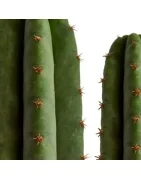
Mescaline Effecten en Werking: De San Pedro en Peyote Ervaring

Mescaline werkt anders dan psilocybine of LSD: visueel rijk, lichamelijk geworteld en met een lange duur van acht tot...

Lees verder
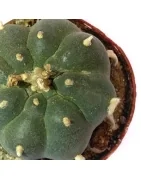
San Pedro en Peyote: Een Botanische Gids door de Mescalinecactussen

Twee plantengroepen vormen samen de wereld van de mescalinecactussen: de zuilvormige San Pedros uit de Andes en de...

Lees verder
6 Magic Mushroom Mythes Ontmaskerd: Feit of Fictie?

Magische paddenstoelen trekken wilde verhalen aan. Jezus als psychedelische sekteleider, Sinterklaas als Siberische...

Lees verder
Smudgen & Energetische Reiniging: De Complete Ritueel-Gids

Smudgen is een eeuwenoud ritueel van energetische reiniging met de rook van heilige planten. In deze complete gids...

Lees verder

The Mysterious Cordyceps: Captivating the Minds of Writers and Filmmakers


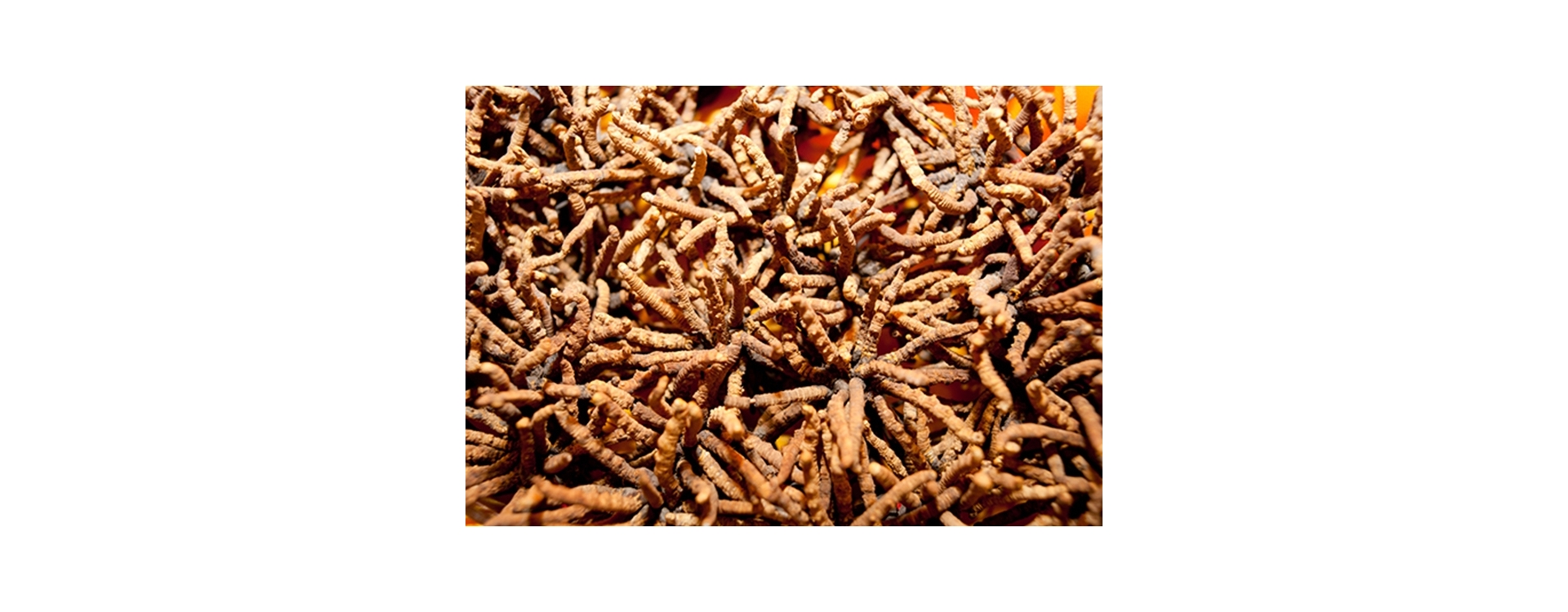
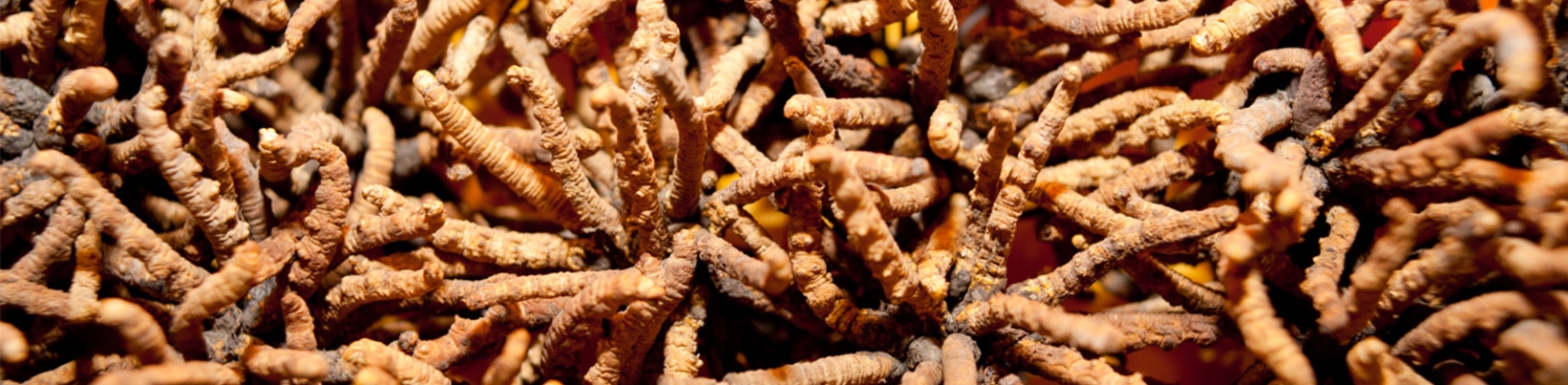
Cordyceps mushroom


In the expansive kingdom of fungi, Cordyceps is one unique species that continues to capture imaginations worldwide. Its unusual life cycle, fascinating characteristics, and ecological role have proved to be a rich source of inspiration for creatives across various mediums. In this blog post, we will explore some of these ideas as well as the likelihood of any of them happening in real life.


From Reality to Fantasy - The Intriguing Qualities of Cordyceps

What makes Cordyceps so fascinating? It’s their unique life cycle, coupled with their relationship with their host, that truly sets them apart. Cordyceps are known as parasitic fungi, meaning they take over the body of their host, often an insect, to grow and reproduce. This process has not only intrigued scientists but has also piqued the interest of creatives who see in it a metaphor for larger themes of control, survival, and the delicate balance of nature.

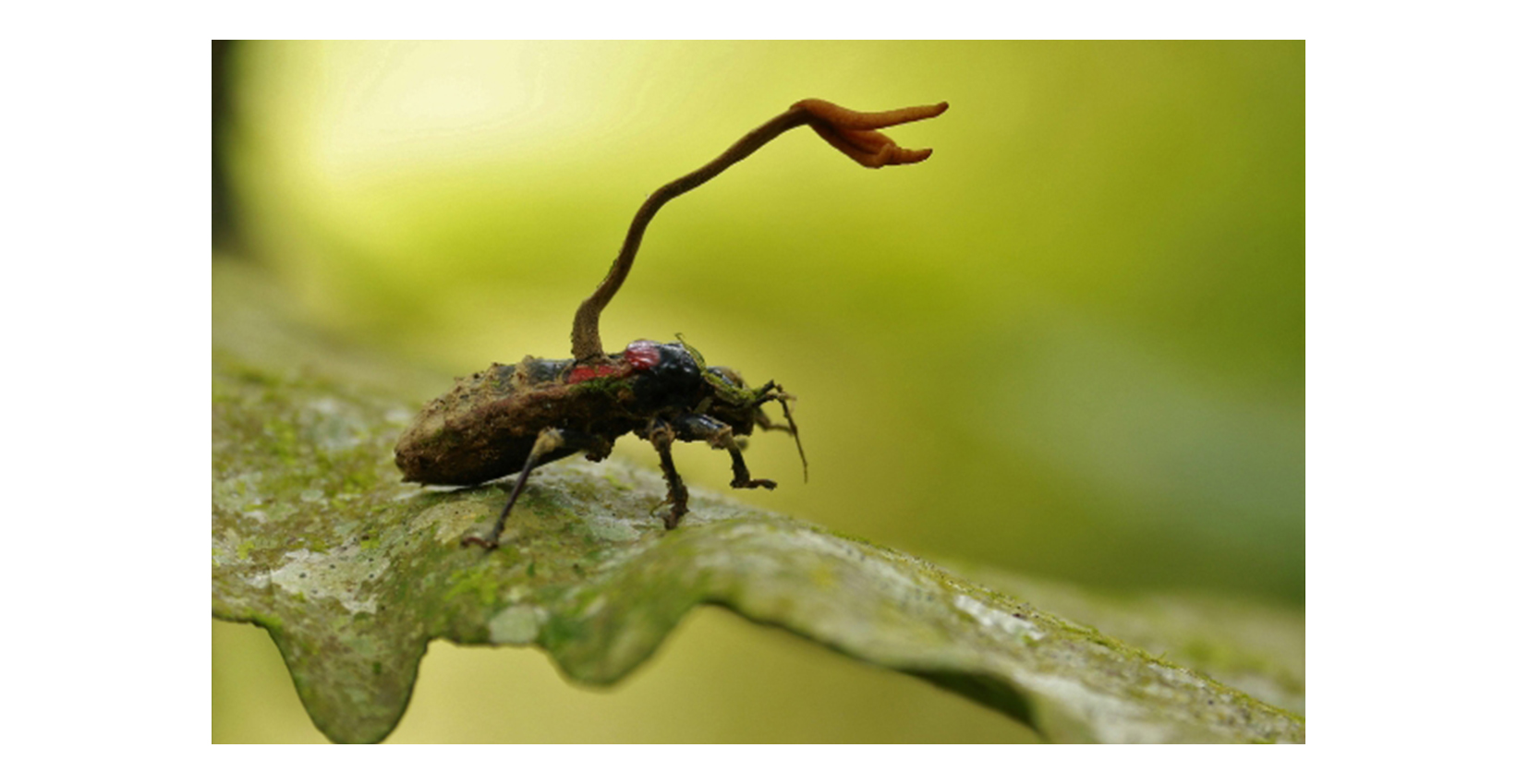
Cordyceps infested insect

Cordyceps in Literature

Authors of various genres have turned to Cordyceps for compelling plotlines and captivating imagery. The sci-fi genre, known for its speculative narratives that explore possibilities beyond our current understanding, has particularly embraced this unique fungus. For instance, M.R. Carey’s post-apocalyptic novel "The Girl with All the Gifts" presents a world where Cordyceps has evolved to infect humans, thus posing a chilling 'what if' scenario that keeps readers on the edge of their seats.


Cordyceps on the Big Screen

The world of filmmaking, with its capacity for stunning visuals, has not been left behind in exploring the fascinating world of Cordyceps. The famous video game "The Last of Us," which was recently announced to be adapted into a television series, uses a Cordyceps infection as the main part of the story. The game showcases a future where Cordyceps has jumped species and now affects humans, creating a dystopian world filled with challenges and hard choices.


Conclusion – Can Cordyceps Really Pose a Threat to Humans in the Future?

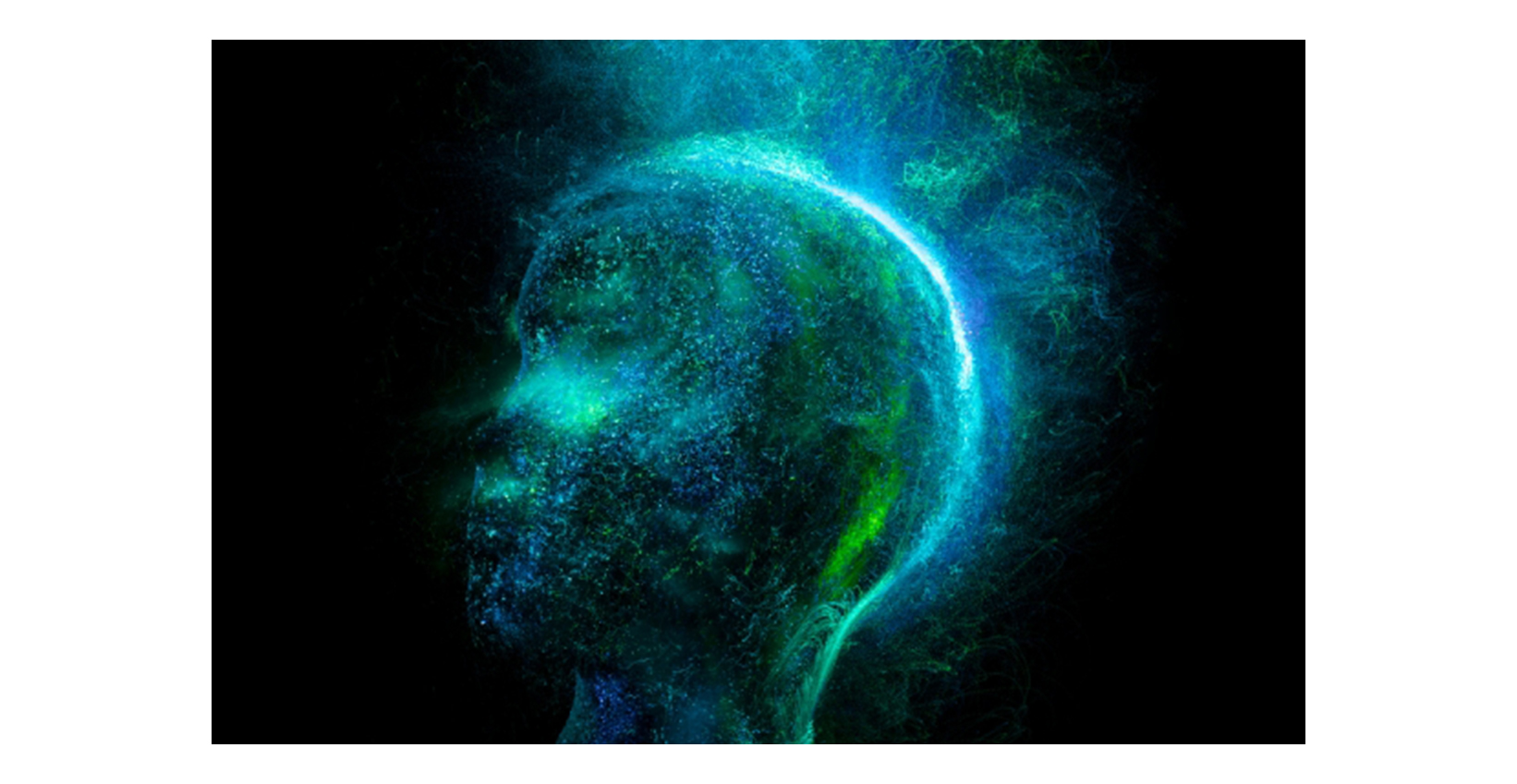
Can cordyceps infect humans?

While it makes for fascinating science fiction, the likelihood of Cordyceps evolving to use humans as hosts in the future is extremely low based on our current scientific understanding. The biological mechanisms and environmental conditions that allow Cordyceps to infect their hosts are quite specific. For example, the spores of Cordyceps fungi must first come into contact with the prospective insect host, often penetrating the exoskeleton and then manipulating the host's behaviour and physiology for its own reproductive purposes.


Human biology and immune systems are vastly different from those of insects, and our skin is not a suitable environment for these types of fungi to grow. Additionally, our immune systems are quite effective at fighting off foreign invaders, including most types of fungi.

However, science is always evolving, and new discoveries are made regularly. As with many aspects of biology, nothing can be definitively ruled out, but such a scenario is very far from our current reality.


It's worth noting that some types of Cordyceps fungi are used in traditional medicine and as dietary supplements, but these are consumed orally and are not infectious to humans. Instead, they are believed to offer various benefits, although more research is needed to confirm these effects. So, for now, the potential of humans becoming Cordyceps-infested zombies is highly unlikely and only remains an entertaining thought to be explored by scientists, writers, and filmmakers.

 
Geplaatst in: Alle Artikelen, Health
Annie Verkade is schrijver bij Next Level Smartshop met een achtergrond in taalkunde. Ze schrijft over natuurlijke alternatieven voor farmaceutica, over slaapondersteuning en plantaardige producten. Haar werk gaat ook over veranderde bewustzijnstoestanden – met én zonder psychedelica – en over onderwerpen als astrologie en maancycli. Ze weet complexe inzichten te vertalen naar heldere, toegankelijke teksten. Wat haar het meest fascineert: hoe kleine rituelen en je omgeving kunnen bepalen hoe je je voelt (vaak meer dan je zou denken). Naast haar werk is ze graag bezig met fotografie, lezen, boulderen en reizen. Favoriete producten: Sagrada Madre wierook, Mulungu, Sleep Tincture
Loading...