


















































Blog navigation

Laatste berichten

Party Pills Vergelijking: Happy Caps vs DNX Pills

Twintig party pills in de shop en geen idee welke je moet kiezen? In deze vergelijking zetten we Happy Caps, DNX en...

Lees verder
Vloeibare sporenculturen vs sporenprints: welke kies jij?

Vloeibare sporenculturen en sporenprints zijn de twee belangrijkste manieren om een paddenstoelkweekproject te...

Lees verder
Wierook Gids: Welk Type Wierook Past Bij Jou?

Met meer dan 60 soorten wierook in onze collectie is kiezen niet makkelijk. In deze gids vergelijken we stokjes,...
Lees verder
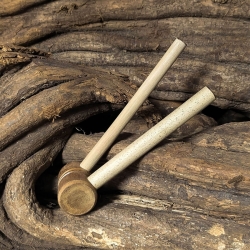
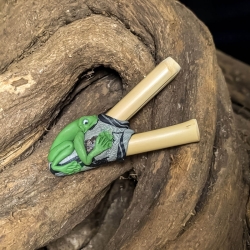
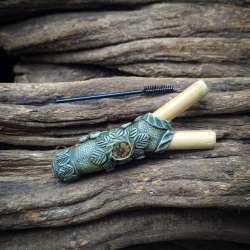
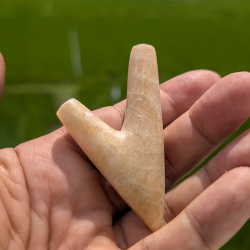
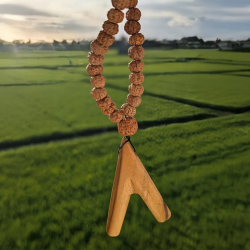
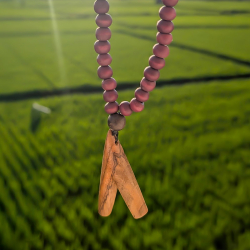
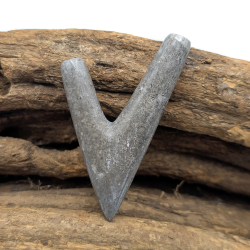
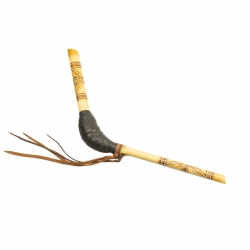
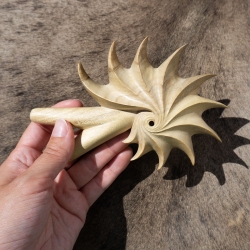
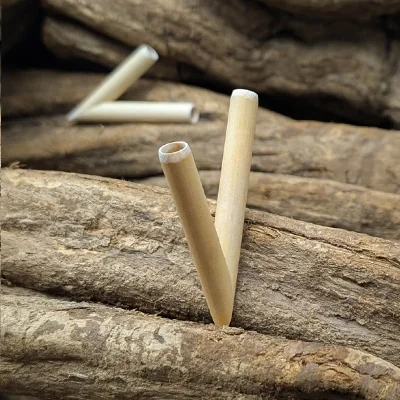
Kuripe vs Tepi: Welke Rapé-applicator Past bij Jou?

Kuripe of tepi? Dit zijn de twee pijpjes waarmee je rapé toedient, en welke je kiest maakt meer uit dan je denkt. In...
Lees verder
The Huni Kuin Tribe: Guardians of Tradition, Ceremony, and Rapé


The Huni Kuin, also known as the Kaxinawá, are an indigenous tribe that resides primarily in the Brazilian and Peruvian Amazon. Their name, "Huni Kuin," translates to "true people," symbolizing their deep connection to their ancestral lineage and the natural world around them. As one of the most culturally rich tribes in the Amazon, they have preserved a profound spiritual legacy, which includes unique traditions, ceremonies, and a sacred use of Rapé, a shamanic snuff. In this blog post, we’ll dive into the history, customs, and spiritual practices of the Huni Kuin, with a special focus on their relationship with Rapé.
Huni Kuin shaman

A Glimpse into the History of the Huni Kuin

The Huni Kuin have a rich history that spans centuries, marked by both resilience and adaptation. Historically, the tribe faced significant challenges from colonization, exploitation by rubber barons, and encroachment on their lands. During the late 19th and early 20th centuries, many Huni Kuin were enslaved or forced into labor by rubber extractors, which led to significant population declines and disruption of their traditional way of life. Despite these challenges, the tribe has maintained its cultural identity and knowledge systems.

Today, the Huni Kuin number around 12,000 people and continue to live in remote areas of the Amazon, primarily in the Brazilian state of Acre and in parts of Peru. They have worked tirelessly to reclaim their lands and maintain their traditions, even as modernization encroaches upon their territories.

Traditions and Way of Life

The Huni Kuin way of life is deeply intertwined with the Amazon rainforest. They view the forest not just as a physical space but as a spiritual entity that provides for their needs and connects them to the divine. Their deep knowledge of plant medicine and ecology allows them to live in harmony with their environment, cultivating and foraging for their food while also using plants for healing and spiritual purposes.

Huni Kuin language, known as Hatxa Kuin, is central to their identity. It is through their language that they pass down ancestral knowledge, spiritual teachings, and stories from one generation to the next.

Art and craft are also significant aspects of Huni Kuin culture. Their intricate beadwork, woven textiles, and body paintings are not merely decorative but carry symbolic meanings, often connected to spiritual visions or dreams. For the Huni Kuin, art is a way to manifest the spiritual world into the material realm.

Ceremonial Practices and Spiritual Beliefs 

At the heart of Huni Kuin spirituality is a profound relationship with the spirit world. They believe in the existence of many powerful spirits, including forest spirits, animal spirits, and the spirits of their ancestors. Shamans, known as pajés, act as intermediaries between the physical and spiritual worlds, guiding the tribe in ceremonies that seek healing, guidance, and balance.

The Huni Kuin’s most important ceremonies are often centered around sacred plant medicines, such as ayahuasca and Rapé. These ceremonies are seen as opportunities to connect with the divine, heal physical and spiritual ailments, and gain insight into personal and communal issues.

The ayahuasca ceremony, for instance, is a powerful visionary practice that allows participants to access altered states of consciousness, where they can communicate with the spirits, receive healing, and gain a deeper understanding of themselves and the universe. This sacred brew, made from the ayahuasca vine and the chacruna leaf, has been a cornerstone of their spiritual practices for centuries.

In addition to ayahuasca, the Huni Kuin perform various other ceremonies that involve singing, dancing, and the use of plant medicines. The songs, or kunu, are believed to be the voices of the spirits themselves, channeling wisdom and healing through the singers.

Rapé: The Sacred Shamanic Snuff

Rapé: The Sacred Shamanic Snuff

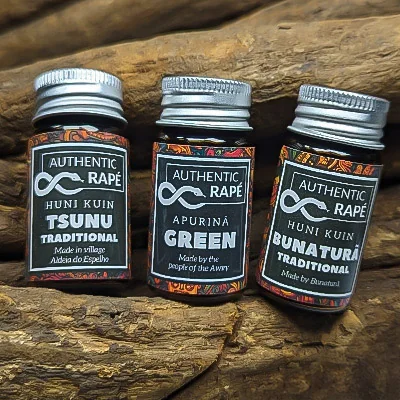
One of the most widely known shamanic practices among the Huni Kuin is the use of Rapé (pronounced ha-peh). Rapé is a finely ground blend of medicinal plants, tobacco, and ashes, traditionally prepared by the tribe's shamans. It is used to clear the mind, enhance concentration, and deepen spiritual connections. For the Huni Kuin, Rapé is far more than a simple snuff—it is a sacred tool used for physical and spiritual cleansing.

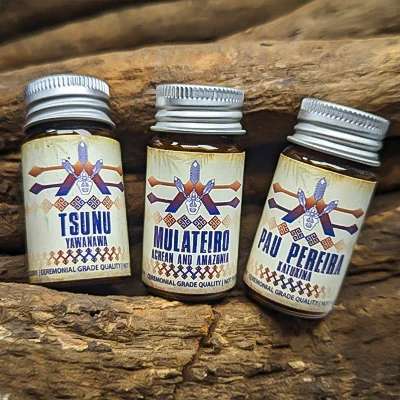
The tobacco used in Rapé is Nicotiana rustica, a potent variety of tobacco that is much stronger than the more common Nicotiana tabacum. The tobacco is often combined with ashes from other sacred plants, such as the bark of the mulateiro tree, and is prepared with great care to maintain its spiritual potency.

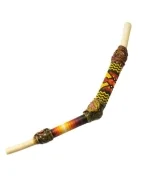
Traditionally, Rapé is administered through a blowpipe called a tepi, which is used to blow the snuff into the recipient’s nostrils. The process is guided by a shaman or an experienced practitioner, who ensures that the snuff is applied in a way that aligns with the recipient’s intentions, whether they are seeking healing, clarity, or connection with the divine.

When used in ceremony, Rapé serves multiple purposes. It can help open channels for communication with the spirits, facilitate healing, and provide grounding during deep spiritual work. For many participants, the experience of Rapé brings a sense of calm, mental clarity, and energetic cleansing.

While Rapé is often used in conjunction with other plant medicines like ayahuasca, it also holds its own place in the Huni Kuin’s spiritual toolkit. The plant spirits embodied in Rapé are said to guide users through challenges, providing insight and clarity on their journey.

The Role of Rapé in Modern Times

In recent years, Rapé has gained popularity beyond the Amazon, as more people around the world seek out shamanic practices for healing and personal transformation. The Huni Kuin continue to share their knowledge and traditions with others, hosting ceremonies and workshops that introduce outsiders to their sacred practices.

However, it is essential to recognize the cultural and spiritual significance of Rapé and the responsibility that comes with using it. For the Huni Kuin, Rapé is not a commodity—it is a sacred medicine that carries with it centuries of tradition and a deep connection to the spiritual world. As such, those who use Rapé outside of its traditional context should approach it with respect, humility, and an understanding of its origins.

Preserving the Huni Kuin Heritage

Huni Kuin Village

Today, the Huni Kuin are actively involved in efforts to preserve their land, language, and traditions. Through cultural revitalization programs, legal battles for land rights, and partnerships with international organizations, the tribe is working to ensure that their rich heritage endures for future generations.

The Huni Kuin people continue to be guardians of the Amazon rainforest, drawing on their ancestral knowledge to protect the environment and their way of life. By sharing their spiritual practices and medicinal wisdom with the world, they offer profound insights into how we can live in greater harmony with ourselves and the natural world.

Conclusion

The Huni Kuin tribe stands as a testament to the power of tradition, resilience, and spiritual connection. Their history, ceremonies, and sacred use of Rapé provide a window into a world where the material and spiritual are deeply intertwined. As we learn from their wisdom, we are reminded of the importance of preserving indigenous cultures and the sacred relationship between humanity and nature. Through their practices, the Huni Kuin offer a powerful reminder of the healing potential that lies in ancient knowledge and the natural world.

 
Geplaatst in: Alle Artikelen, Sjamanisme
Loading...