You've probably heard of MDMA, but do you know about Kanna? This extraordinary plant from South Africa is becoming increasingly popular in the Western world. And for good reason - Kanna has quite a lot to offer.
The Origins of Kanna
Long before we discovered Kanna, the San and Khoikhoi peoples of South Africa were already using this plant. They chewed the leaves during long hunting trips and social gatherings. Its scientific name is Sceletium tortuosum, but let's stick with Kanna.
The Effects of Kanna: Active Compounds
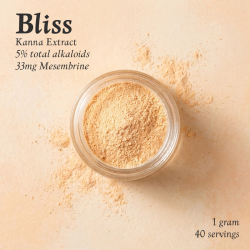
Kanna's leaves contain special compounds that work together synergistically. The main player is mesembrine, an alkaloid that works in two ways in your brain. First, it increases the amount of available serotonin - a neurotransmitter that influences mood, sleep, and appetite. Additionally, mesembrine inhibits an enzyme called PDE4. PDE4 is an important enzyme in your body that regulates inflammatory processes, memory, and mood. By inhibiting this enzyme, Kanna can reduce inflammation and enhance cognitive function. This makes Kanna particularly interesting to scientists, as PDE4 inhibitors might help with various conditions.
But there are more players involved. These alkaloids work together with mesembrine:
- Mesembrenone: this enhances mesembrine's effects and creates a calmer feeling
- Mesembrenol: this contributes to the relaxing effects and can help improve sleep
- Tortuosamine: scientists are still studying exactly what this compound does, but it appears to contribute to the calming effects
All these compounds work together in what scientists call the 'entourage effect.' Similar to cannabis, the combination of all compounds together produces a stronger effect than each compound individually.
Different Forms of Kanna
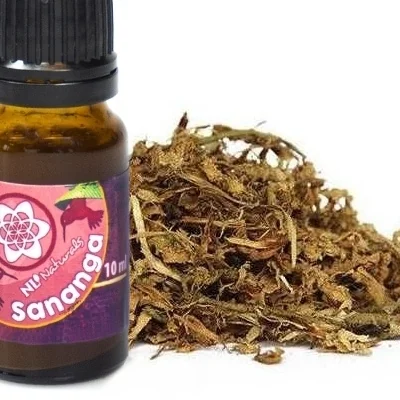
The Natural Form
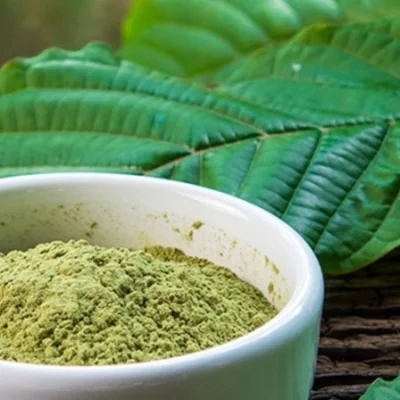
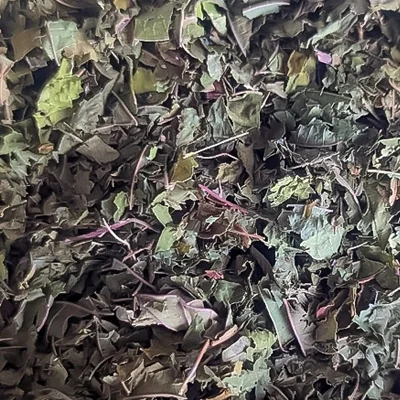
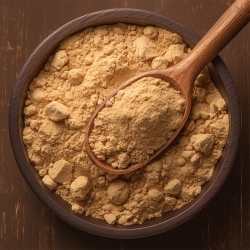
When using the dried plant, for example as tea or powder, the effects are usually mild. People often feel:
- Happier and more relaxed
- Mental clarity
- Better able to concentrate
- More energetic, but without nervousness
Kanna Extracts
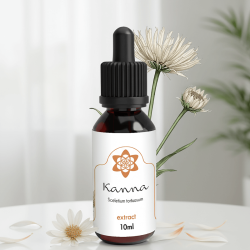
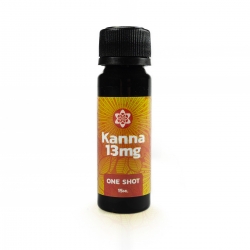
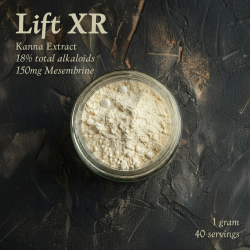
There are also stronger forms of Kanna. These extracts can be quite powerful. Users often notice:
- A significant improvement in mood
- Enhanced social interaction
- Increased energy at lower doses
- Deep relaxation at higher doses
Some people compare strong extracts to a mild form of MDMA. But remember: Kanna is distinctly different and not a replacement for other substances.
The History of Kanna
South African tribes have been using Kanna for centuries. They called it 'kougoed', which simply means 'chewing stuff'. Hunters took it on long expeditions to stay alert. It also played an important role in festivals and rituals. The leaves were dried in the sun and then ground into powder.
The Kanna Plant
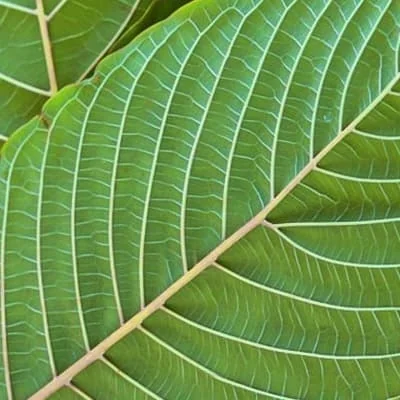
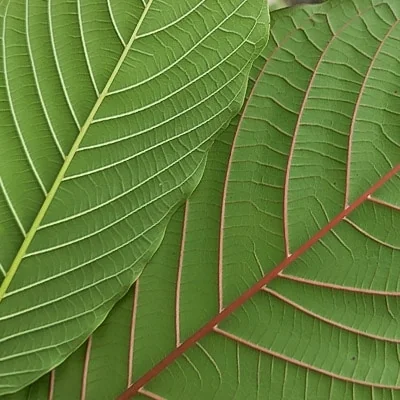
Kanna is a hardy plant perfectly adapted to South Africa's climate. It's a succulent - a plant that stores water in its leaves. It grows close to the ground and produces small yellow or white flowers. The leaves become thick and fleshy when the plant matures.
Scientific Research on Kanna
Scientific interest in Kanna is growing rapidly. Researchers are particularly studying how mesembrine works in our brains. It appears this compound works differently from classical antidepressants. There's also increasing evidence that Kanna can reduce inflammation in the body. This is due to its effect on PDE4.
Researchers are currently focusing on Kanna's role in stress and concentration problems. They're also trying to understand why some people respond more strongly to Kanna than others. This likely relates to small differences in our brains.
Safe Use of Kanna
While Kanna is relatively safe, keep these points in mind:
- Always start with a low dose
- Don't use Kanna if you're taking antidepressants (especially SSRIs)
- Avoid during pregnancy or breastfeeding
- Be cautious with strong extracts
Useful Facts About Kanna
Is Kanna Legal?
Yes! Kanna is legal in most countries worldwide.
How Do You Use Kanna?
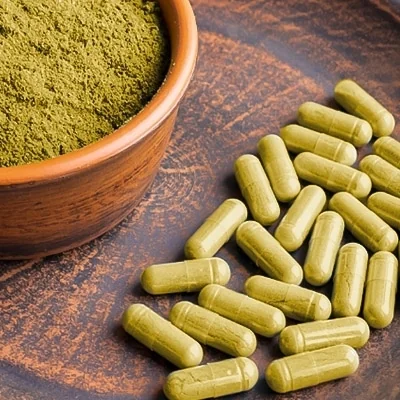
You can use Kanna in various ways: as tea, snuff powder, chewing material, extract, or in capsules. The method of consumption affects how quickly and strongly you feel the effects.
How Long Do the Effects Last?
This depends on how you use it:
- Sniffing or smoking: 1-3 hours
- Oral consumption: 4-6 hours
- Sublingual: 2-4 hours
Are There Different Types of Kanna?
There's only one species of Kanna plant, but potency can vary. This depends on how and where the plant was grown and how it was processed.
Can I Grow It Myself?
Yes, you can! Kanna grows well as a houseplant. You'll need patience though - it takes a few years before the plant develops sufficient active compounds.
Can You Get Addicted to Kanna?
Kanna isn't considered highly addictive, but regular use can lead to tolerance. Some people feel irritable or tired when stopping after regular use. As with anything: use in moderation!
Can I Combine Kanna with Medications?
<p">Be careful with this! Kanna can interact with certain medications, especially those affecting serotonin. Always consult your doctor before combining Kanna with medications.
Where to Buy Kanna
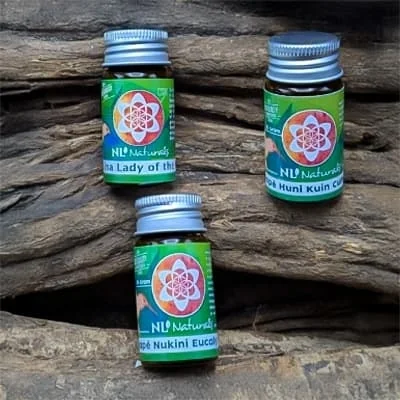
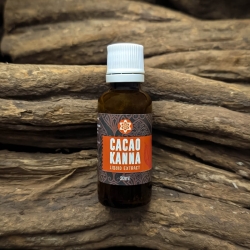
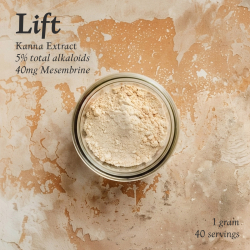
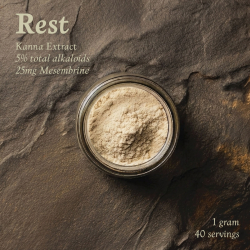
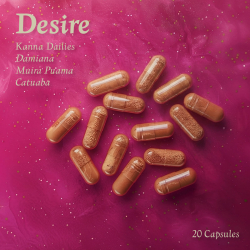
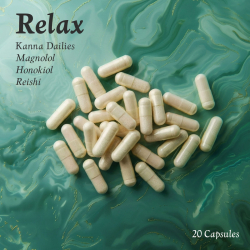
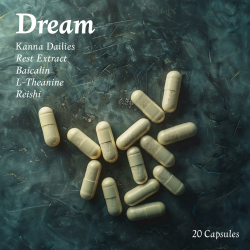
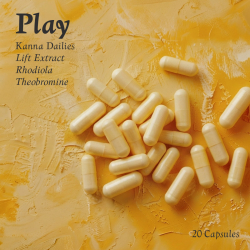
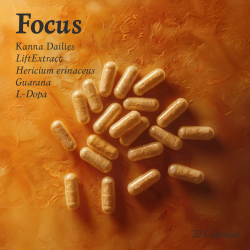
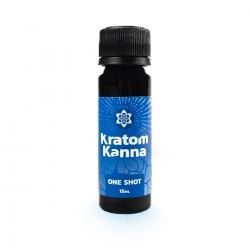
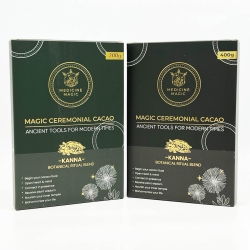
Want to try Kanna yourself? At Next Level, you'll find an extensive range of Kanna products. From pure powders or tea to powerful extracts - there's something for everyone. Lower doses provide an energetic, social boost, while higher doses induce deep relaxation, perfect for meditation. Check out our complete Kanna collection on our Kanna product page.
In Conclusion
Kanna continues to gain popularity worldwide. Whether you're interested in the mild effects of the natural plant or curious about stronger extracts - start slowly and listen to your body. With proper precautions, Kanna can be a valuable addition to your life.